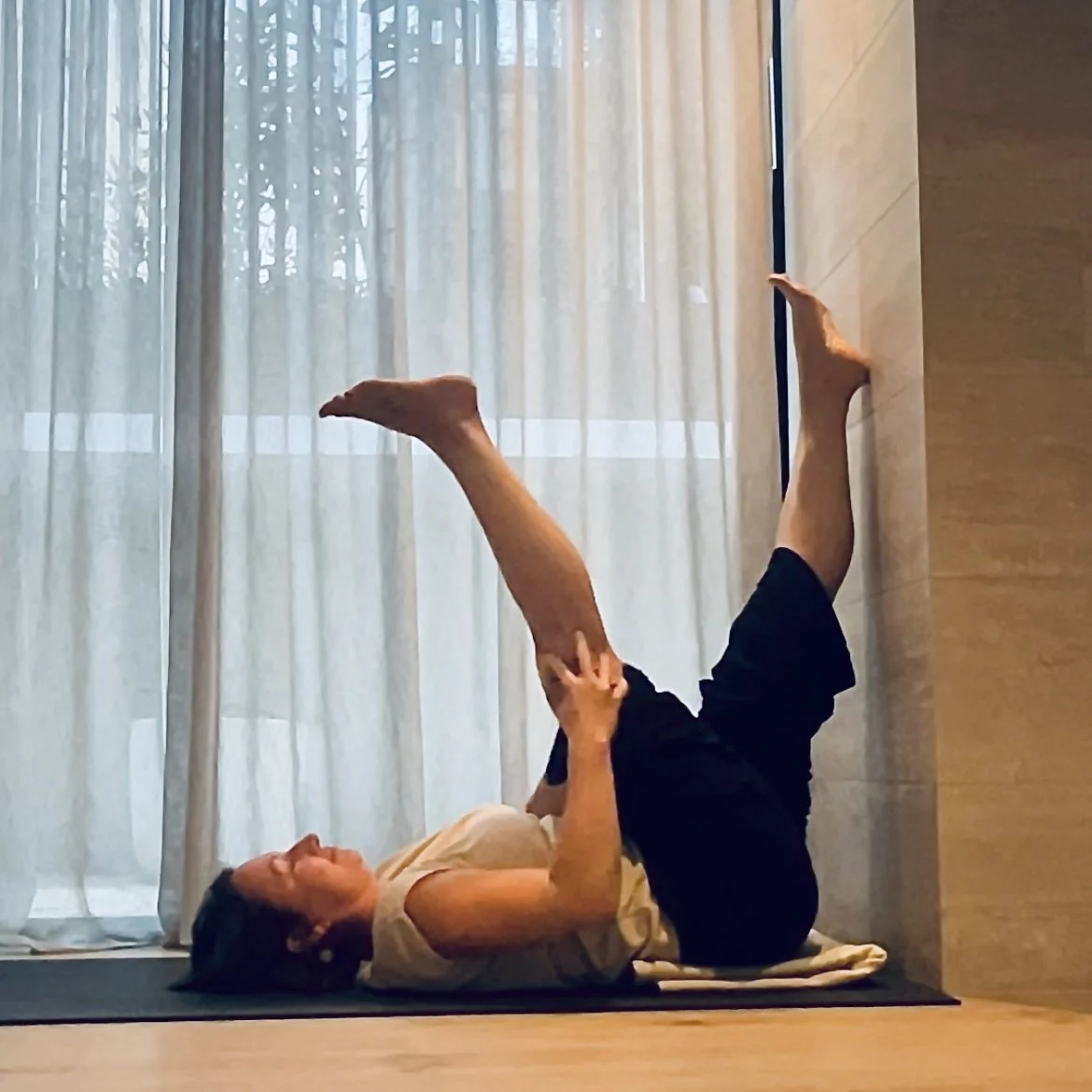
Guiding principles of Myofascial Release: indirect before direct
When teaching or using MFR it is important to understand what the tissues are communicating to us. Should you compress or roll on swollen tissues? This is when the MFR principle of indirect before direct comes into play…
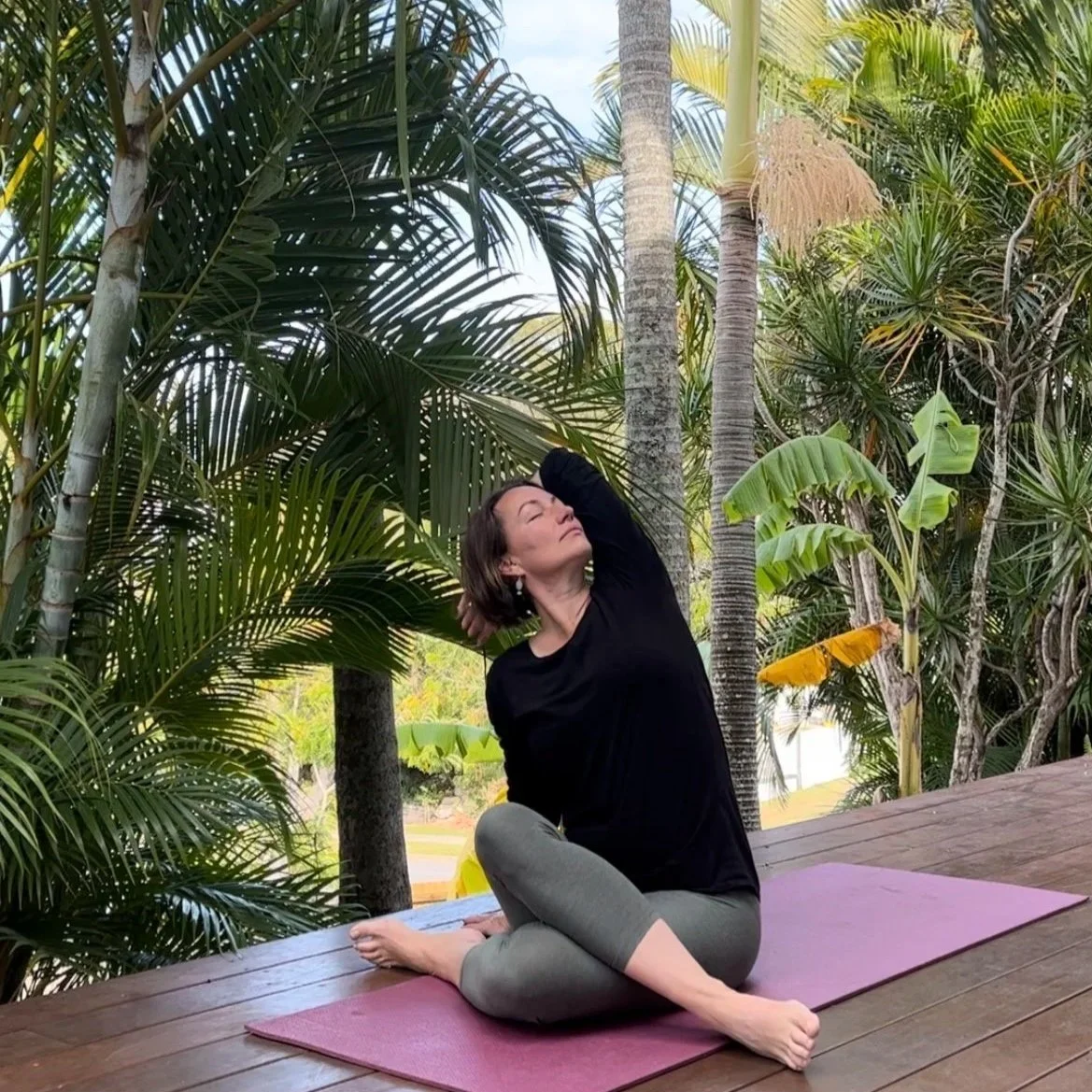
Mindfulness in Yin Yoga: Befriending the Monkey Mind
Beyond the sensation of physical release, Yin Yoga is an invitation to explore our inner landscape. In the stillness of a long-held pose, we can notice the movements of the mind, be present with what arises, without needing to follow every thought.
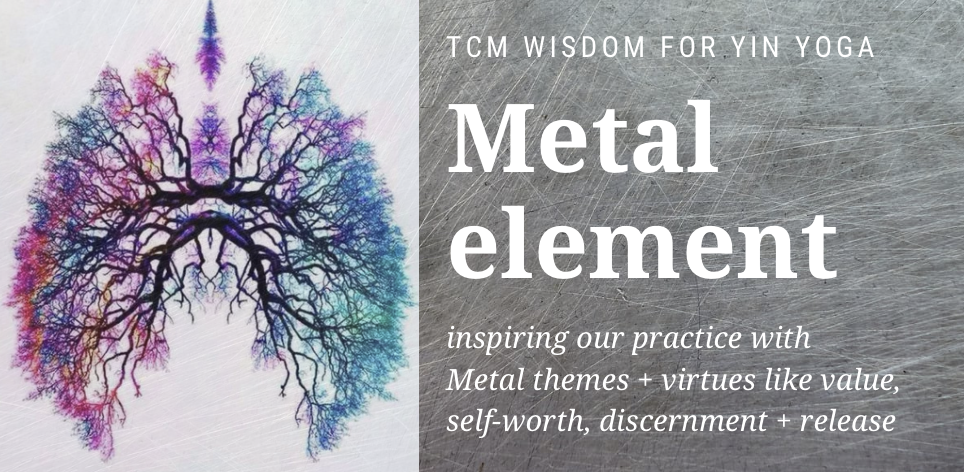
Working with the Metal element in Yin Yoga for clarity & release
Explore the qualities of metal and how to integrate this into theming a Yin Yoga class along with acupressure to nourish your metal, that of value within.
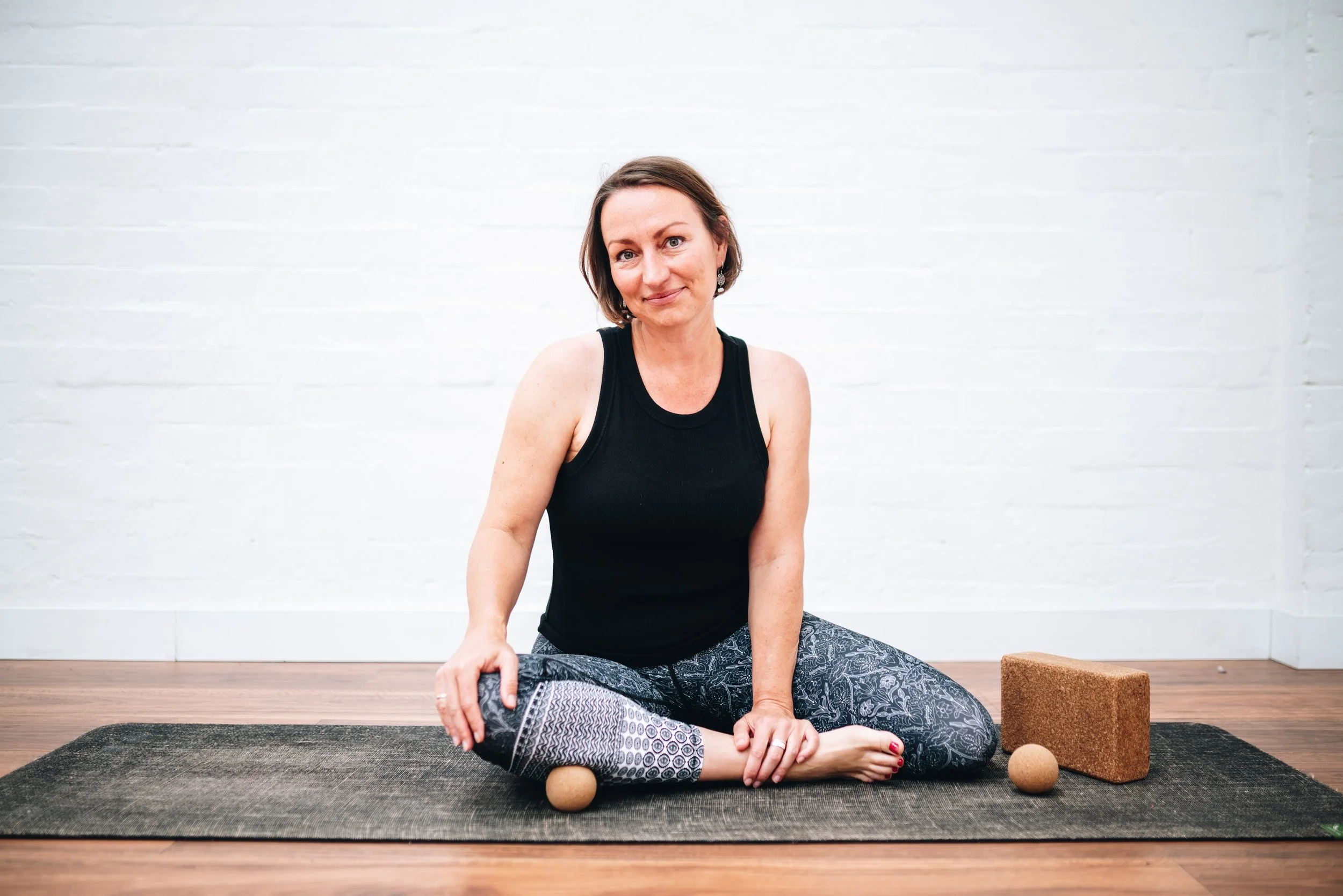
Do Yin Yoga and Myofascial release have the same effect on fascia?
Fascia thrives on variety. Yin Yoga gently stretches larger areas of the body, while myofascial release works more specifically. Different approaches, yet both speaking to the same system. Discover why combining them can support supple tissue, balanced tension and a deeper shift into rest and digest.
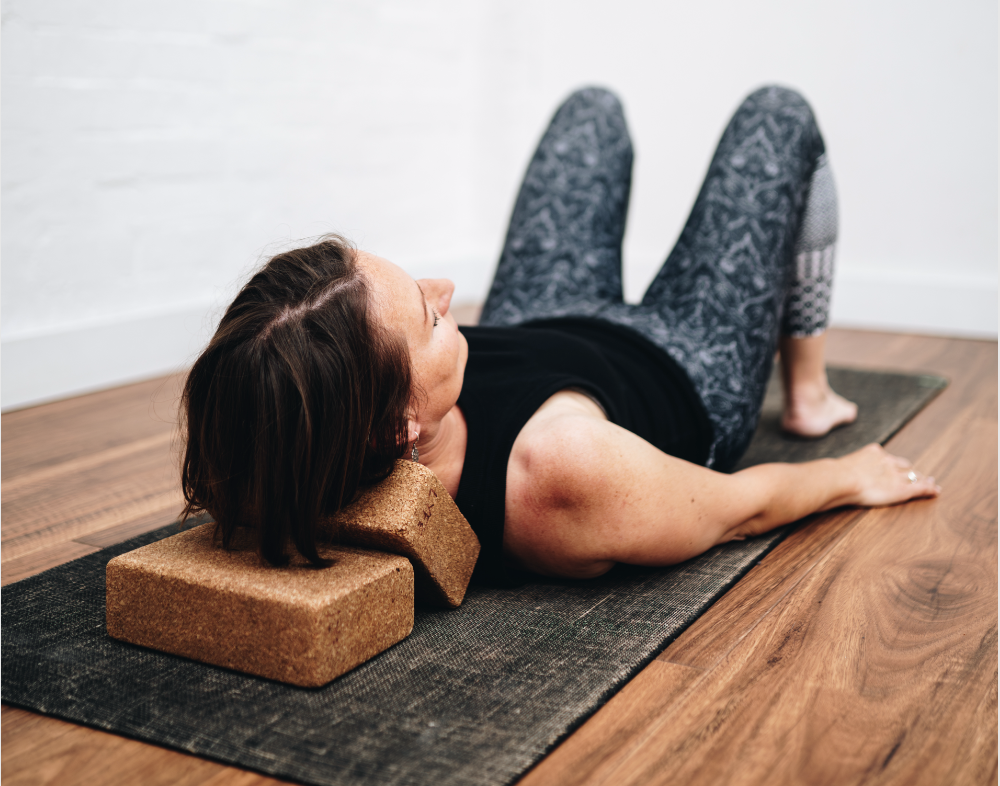
The Bridge Between Fascia and Energy: MFR Meets Acupressure
Releasing fascia can also free the flow of energy along our meridian pathways. We can weave myofascial release and acupressure into a deeply nourishing practice for the body-mind, nervous system & emotional regulation.
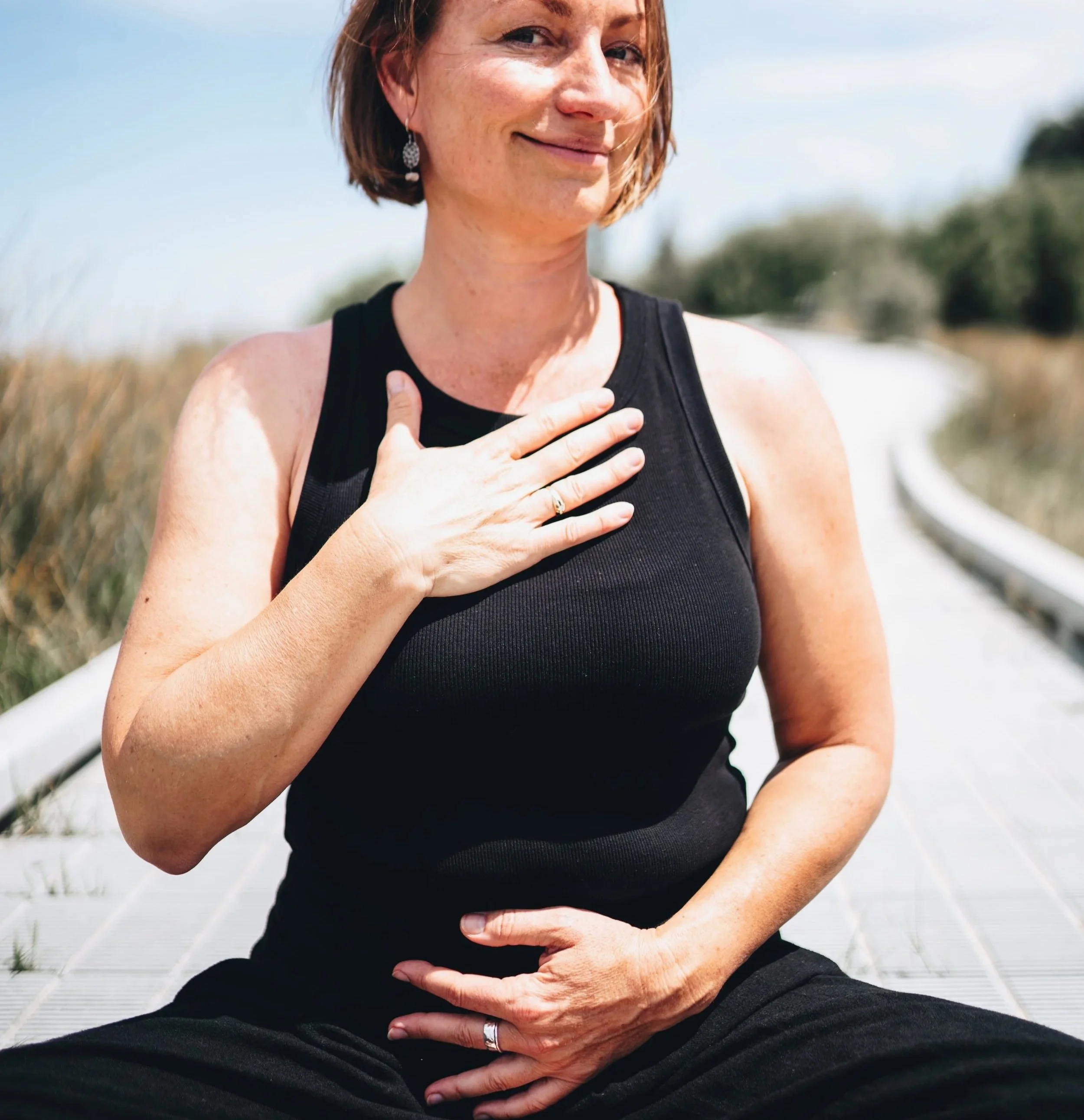
The Earth Element: Returning to Center with intention (Yi) and Qigong
What happens when we do not return to center (=our earth) instead accumulate more and more? You might have felt it before: overwhelm, worry, overreactive nervous system. In Oriental medicine, the Earth element is holding our center and it is responsible for digesting - both food and thoughts. Yin Yoga or Qigong deepen our connection to the earth element, a reminder to return to our center.

Is DaoYin the Yin Yoga We Practice Today?
For over a decade, I practice and teach both Yin Yoga and Qigong and notice that students often think Yin Yoga comes from Chinese medicine. There is specifically the question whether our modern Yin Yoga comes from DaoYin. Let me give you an overview of the evolution from DaoYin to Daoist internal arts and the modern Yin Yoga we know today.

Fire Element Wisdom for Yin Yoga
A Traditional Chinese Medicine reflection for Yin Yogis and Yin teachers, offering nuggets of wisdom to support class theming, self-reflection and heart-led teaching. In Traditional Chinese Medicine (TCM), the Fire element is the spark that allows us to truly meet ourselves, others and life with warmth and authenticity. Fire is the radiance of who we are when we dare to be seen.
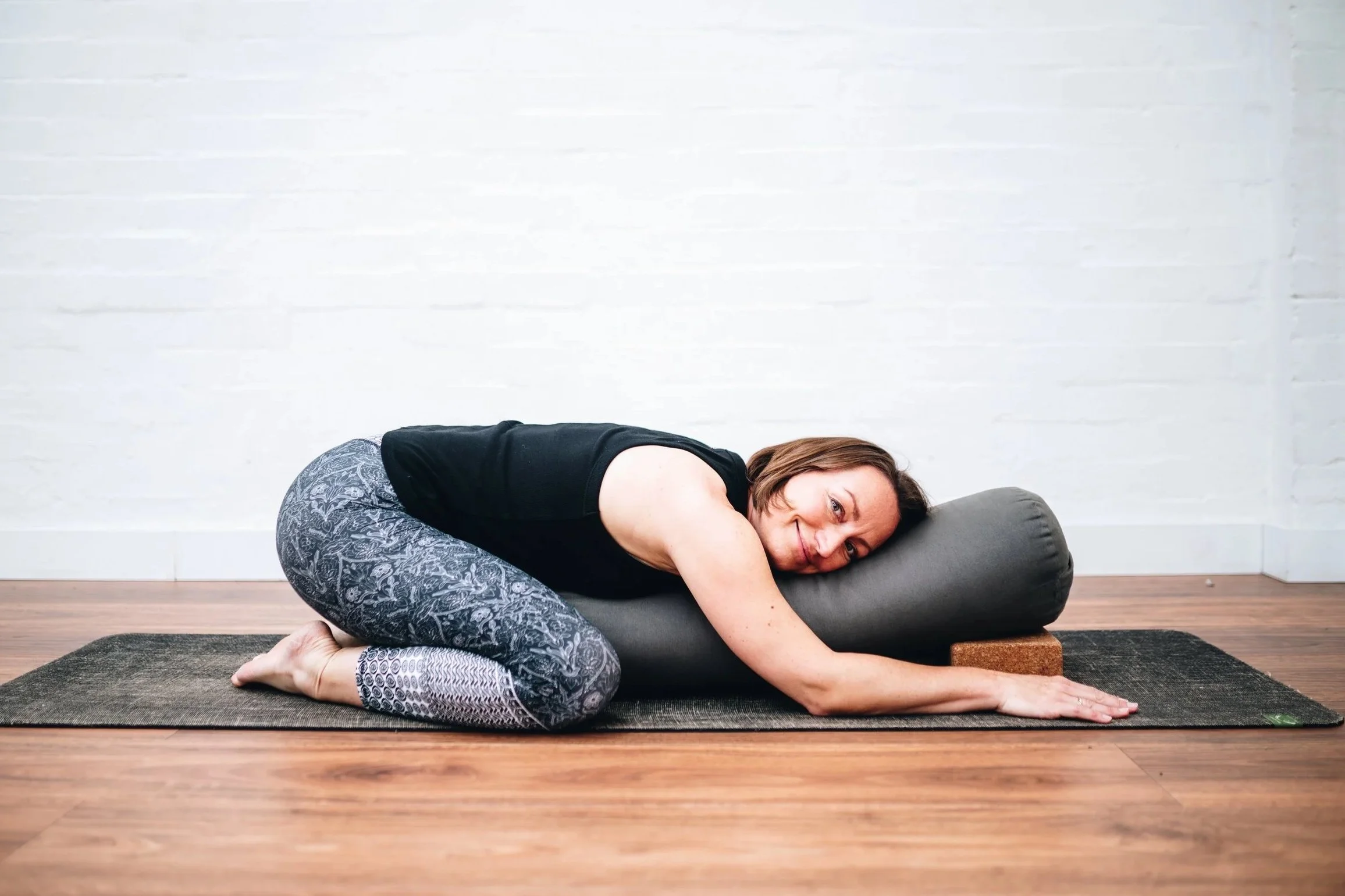
What Makes the “Yin” in Yin Yoga?
Ever wondered why Yin Yoga is called 'Yin'? Let’s look at the roots and influences from Oriental medicine that shape this deeply grounding practice.